SME Consulting · Switzerland · 7 min read
SME Consulting in Switzerland: What Small Businesses Need to Know
Switzerland is home to over 580,000 SMEs that together generate more than two-thirds of private-sector employment. Quality-oriented, often internationally active, and permanently under the cost pressure of a high-wage economy: Swiss small businesses have specific demands from their consultants. This article covers what to look for, what it costs, and where most businesses go wrong.
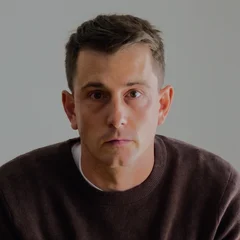 Simon Förstemann
Growth Strategist
May 2026
Updated: August 2026
Simon Förstemann
Growth Strategist
May 2026
Updated: August 2026
The single most important criterion for SME consulting in Switzerland: does the consultant know the Swiss market from the inside? Not from a case study. From direct client work. Swiss data protection law, CHF pricing dynamics, the sharp differences between the German-, French- and Italian-speaking regions, these are not details. They determine whether strategic advice translates into results or collects dust in a drawer.
Simon Förstemann has worked with SMEs across the DACH region for 14 years, building and advising six ventures of his own. He operates from Lake Constance, close to Switzerland, close to southern Germany with clients throughout the country. The following is what that experience has taught him about what works.
Key Takeaways
- · SME consulting in Switzerland costs CHF 1,500–4,500 per day, while project mandates for positioning or market entry run from CHF 5,000 to CHF 50,000 depending on scope.
- · For strategic marketing and growth advice, expertise beats location: in 7 out of 10 cases the most effective consultant is not in the client's own canton.
- · A good Swiss SME consultant must know the market from the inside, nDSG data protection law, CHF pricing, and German/French/Italian region differences, not just from a case study.
- · Realistic outcomes are measurable: one Lake Constance SME client grew revenue by +74% within 16 months through repositioning, not a bigger ad budget.
The Swiss SME Landscape
Switzerland's SME economy is more diverse than its small geography suggests. Manufacturing and mechanical engineering, electronics and semiconductors, chemistry and life sciences, IT and software, and a large, internationally oriented professional services sector, these sectors share one characteristic: they compete globally while bearing Swiss cost structures locally.
That double pressure shapes what good SME consulting looks like here. Strategies that simultaneously increase efficiency and quality have far more traction than pure expansion plans. Growth for its own sake is not the goal. Profitable, sustainable growth is.
What Do Swiss SMEs Actually Expect from a Consultant?
In conversations with Swiss business owners, the same expectations come up consistently:
Local vs. External: Which Is the Better Fit?
A common question: should I hire a consultant from my own canton, or look to Zurich, Basel, or even Germany?
The honest answer: it depends on the problem. For operational or legal questions, local presence and local networks genuinely matter. For strategic consulting in marketing, growth, and positioning, geographic proximity is far less important than expertise and personal working style.
The risk of over-indexing on locality: you hire someone with a local network but without the strategic depth your challenge requires. The risk of ignoring it entirely: you hire a brilliant generalist who underestimates Swiss market specifics. The right balance is a consultant with proven DACH-region experience who treats Switzerland as a first-class market, not a German export case.
Marketing and Growth Consulting for Swiss SMEs
Marketing remains a black box for many Swiss SMEs. Business owners know they need more visibility, but which channel, which message, which budget allocation remains unclear. That ambiguity is exactly where strategic consulting earns its keep.
Simon Förstemann helps SMEs sharpen their positioning, select the right channels, and build measurable growth strategies. This is not agency work, no banner campaigns, no social media calendars. It is strategic consulting at management level: the decisions that shape revenue over the next three to five years.
Costs: What to Budget for SME Consulting in Switzerland
Day rates for experienced business consultants in Switzerland range from CHF 1,500 to CHF 4,500. Project-based mandates for specific strategic topics, positioning, market entry, marketing strategy, start at CHF 5,000 and can reach CHF 50,000 depending on scope and duration.
Simon Förstemann offers a 30-minute intro call before any commitment. No sales pitch, no agenda other than an honest assessment of your situation and whether this is the right engagement for both sides.
How Do You Evaluate an SME Consultant Before You Sign?
Before committing to any consulting engagement, run through these five checks:
- Ask for specific results, not testimonials, but numbers. Revenue growth percentage, pipeline improvement, time to market. If the consultant cannot name concrete outcomes from past work, that is a signal.
- Check Swiss market experience directly, ask how they have handled CHF pricing, nDSG compliance, or German/French region differences for past clients. Vague answers reveal gaps.
- Clarify who does the work, will you deal with the senior consultant throughout, or handed to a junior after kick-off? This is a non-negotiable for SME engagements where context is everything.
- Expect a clear scope and fee structure, day rates, project fees, or retainer. No ambiguity. If a consultant is evasive about cost, they will be evasive about results too.
- Insist on an initial conversation with no strings attached, any serious consultant offers this. It is the fastest way to assess expertise and personal fit before either side commits.
Frequently Asked Questions
Ready for the next step?
Book an Intro Call
30 minutes. No pitch. Just an honest assessment of your situation, and whether working together makes sense.
Schedule a CallFrequently asked questions
Should I hire a local SME consultant or one from another region?
For operational and legal questions, local presence is valuable. For strategic consulting in marketing, growth, and positioning, geographic proximity matters less than expertise and personal working style. In 7 out of 10 cases, the most effective consultant for a Swiss SME is not in the same canton, but must know the Swiss market deeply.
What makes a good SME consultant in Switzerland?
Look for concrete, verifiable results (not just certificates), knowledge of Swiss market specifics including CHF pricing, data protection law, and language region differences, direct access to the senior consultant (not a junior hand-off), and cross-sector experience. Ask for references and a clear ROI discussion before signing anything.
Can a consultant outside my canton advise my Swiss SME?
Yes. Many Swiss SMEs work successfully with consultants from across the DACH region. What matters is Swiss market knowledge, demonstrated results, and personal accessibility, not a local postcode. Simon Förstemann works with SMEs across Switzerland from his base at Lake Constance.
What growth results can Swiss SMEs realistically expect from consulting?
Results vary by starting point and scope, but Simon Förstemann's engagements have delivered +74% revenue growth within 16 months for SME clients. Realistic expectations for a focused 6-month strategy engagement include a clearer market position, measurable pipeline improvement, and a prioritised channel mix with ROI visible within the first year.
Which industries benefit most from SME consulting in Switzerland?
Quality-oriented, internationally active SMEs gain the most: manufacturing and mechanical engineering, technology and software companies, professional services firms, and life sciences suppliers. These businesses face the double pressure of Swiss cost structures and international competition, exactly where strategic consulting adds measurable value.
About the author
Simon Förstemann
Simon Förstemann knows what it's like to be in your position: 14 years of experience, 6 ventures founded, 3 exits, Red Dot, German Design Award and German Brand Award 2026. He brings that experience 1:1 into your company, so your marketing sells instead of just keeping everyone busy. He doesn't just advise, he also supports you hands-on with the implementation. No workshops, no apparatus. Your agency and your team stay on board.
LinkedIn →